The idea for Pluto’s Revenge came to me years ago, sparked by the moment Pluto was officially demoted from planet status in 2006.
I remember watching the news and feeling a strange mix of frustration and empathy — not just for the science, but for what Pluto represented. Here was this celestial body that had spent generations being part of our childhood mnemonics — “My Very Educated Mother Just Served Us Nine Pizzas” — only to be told it no longer counted. That struck a chord. No more Pluto, no more pizza.
It wasn’t about the astronomy. It was about being cast aside. Overlooked. Told you weren’t part of the big picture anymore. And I think that idea resonated deeply with the artist in me — and with many people, really. It became the seed for a bigger story.
At the time, I was playing music regularly with my brothers. We were writing, performing, and slowly building an identity as artists. That day I said “Pluto needs to get revenge, half-joking, but it stuck.
There was something rebellious about it, something tongue-in-cheek, but also something a little tragic and poetic. We were underdogs in the Nashville music scene. We were doing our best to be heard in a world that often didn’t seem to care much about independent voices. Pluto’s Revenge felt like us.
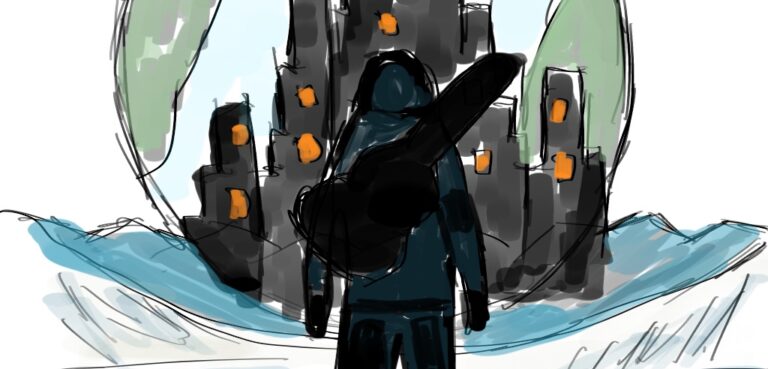
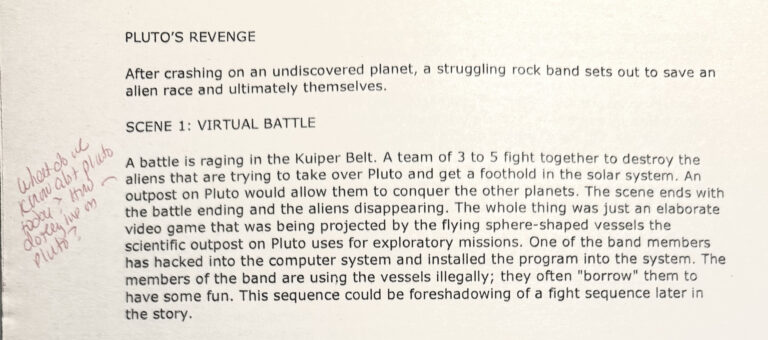
That same phrase became the concept for a story. A character. A world. What if Pluto could fight back? What if being discarded was just the beginning?
It became the narrative fuel for what would grow into an entire book. Pluto’s Revenge transformed from a band name into a metaphor, and then into a novel: a story about identity, purpose, reinvention, and rebellion. It’s about what happens when the world tells you you’re not enough — and you push back
If you’ve ever felt overlooked, underestimated, or cast aside, this book — and this post — is for you.
And to Pluto: you’re still a planet to me.