The Mood Is the Message
Whether I’m behind the lens or behind the keyboard, I’m always chasing one thing: mood. It’s not just how something looks or reads—it’s how it feels. Mood is what lingers. It’s what makes someone stop scrolling or keeps them turning the page at 1 a.m.
In both photography and fiction, mood and atmosphere are invisible forces that shape the emotional experience. They guide how a viewer or reader responds. They do the heavy lifting of storytelling without ever saying a word.
Photography: Capturing a Feeling, Not Just a Face
When I shoot portraits or street scenes, I’m not just looking for technical perfection. I’m looking for tone. Maybe it’s the way the shadows fall on someone’s face, or the cool gray of the sky just before a storm. Maybe it’s blur, maybe it’s grain. Often it’s imperfection that tells the truth.
Sometimes I leave in the noise, the softness, the asymmetry—because life isn’t always crisp and color-balanced. The best mood comes from honesty.
Fiction: Painting with Words
Writing fiction is no different. Every sentence carries weight. The words I choose create rhythm, color, and emotional depth—just like lighting in a photo. The way a room is described, the internal monologue of a character, even punctuation—all of it shapes the reader’s sense of place.
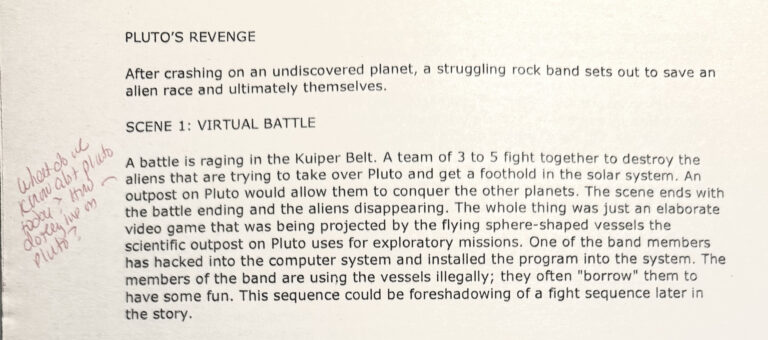
My novel Pluto’s Revenge began as a tone before it became a plot. I didn’t have all the characters, but I knew how the world felt. Cold. Distant. A little off-kilter. That’s where the story lived. Mood became the map.
Mood as a Bridge Between Mediums
Photography has taught me to observe more closely. Writing has taught me to feel more deeply. And together, they help me communicate the unspeakable—those in-between emotions that we all know but rarely name.
When I get stuck creatively, I don’t think in structure or rules—I ask myself: what’s the mood I’m trying to capture? The answer usually tells me where to go next.
Final Thoughts
Mood is the soul of both images and stories. You can fake a lot of things, but not that. If you’re a creator—visual, verbal, or both—try building from mood first. Let the atmosphere guide the structure. Let emotion drive the details.
It’s not always the loudest image or the most dramatic plot that sticks with people. It’s the one that feels like something.