For a long time, I thought distance was measured in miles. Later, I realized it’s measured in expectations.
In 1997, I moved from Augusta, Georgia to Nashville, chasing a dream of performing music on the same stages as so many before me. At the time, Nashville felt impossibly far away — not just geographically, but culturally. It was where the music industry lived, where legitimacy seemed to reside, where success had an address.
I believed I wanted to be famous. Not for the attention, and not for the image, but because fame felt like proof — proof that the work mattered, that the voice I was trying to express had reached someone else. I wanted to share music, to contribute something meaningful, to be part of a larger creative conversation.
Like many people who move cities for a creative career, I arrived with optimism, energy, and a very specific picture of how things were supposed to unfold.
Some good things did happen. Real things. I played music, met people, learned how scenes work from the inside. I experienced moments of alignment — the feeling that you’re exactly where you’re supposed to be, even if only for a night. Those moments matter, and I don’t discount them.
But what no one really prepares you for is the slow realization that effort doesn’t guarantee arrival.
There wasn’t a single moment of failure. No dramatic ending. Just a gradual understanding that the life I imagined in my twenties wasn’t the life I was living — and that it might never be. Over time, the dream changed shape. Or maybe I did.
What I wanted in my thirties and forties wasn’t the same thing I wanted in my twenties. The urgency softened. The need for external validation lost some of its power. What remained was the creative impulse itself — the part that didn’t care about stages or recognition, only about making something honest.
That impulse never left me. It just found new forms.
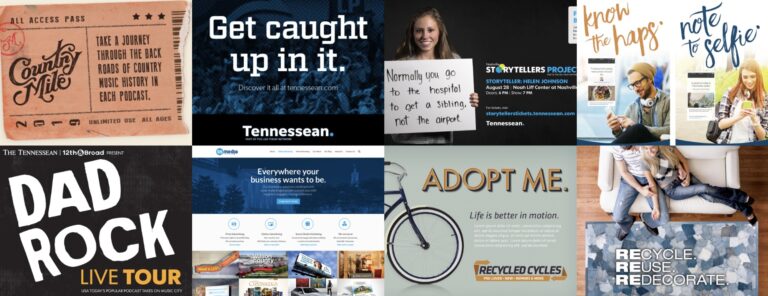
Music eventually gave way to graphic design, another way of solving problems creatively, another way of shaping experience. Design taught me about systems, structure, and intention — how every choice affects the whole. And somewhere along the way, writing began to take up more space.
I had always written songs. Lyrics are a kind of compressed storytelling. But writing a book is different. It requires patience, endurance, and a willingness to sit with uncertainty for a long time. It asks you to keep going without applause, without feedback, without any clear sign that the destination exists at all.
For years, I carried the idea for a book without finishing it. It stayed with me through different phases of life, resurfacing now and then, asking quietly to be taken seriously.
When I turned fifty, I finally decided to do that — to finish a book I had been thinking about for nearly twenty years. Not because I thought it would change my life, but because not finishing it felt like leaving something unresolved.
By that point, I had learned something important: not getting where you wanted to go isn’t the same thing as losing.
I don’t think not arriving is a failure. I think it’s an invitation — an invitation to learn how to live somewhere else. To let go of one imagined future and see what remains when it dissolves. To discover that meaning isn’t tied to outcomes as tightly as we were taught to believe.
That idea — the distance between expectation and reality — eventually found its way into a piece of science fiction I’m working on now. The story follows a band from Pluto trying to make it to Earth to play a show. It isn’t autobiographical, but it’s shaped by the same gravity: ambition, distance, disappointment, and adaptation.
Science fiction gave me the space to exaggerate those feelings, to turn a regional leap into an interplanetary one, and to explore what happens when the destination changes but the need to create doesn’t.
Because in the end, most of us don’t end up exactly where we thought we would. Careers shift. Identities evolve. The map we started with becomes outdated. What matters is what we choose to do once we realize that the journey didn’t lead where we expected — and whether we’re willing to build a life where we land.
In 1997, I moved from Augusta, Georgia to Nashville, chasing a dream of performing music on the same stages as so many before me. I believed I wanted to be famous — not for the fame itself, but simply to share my music, to have my creative voice heard.
There were good moments. Real ones. I enjoyed the journey. But over time, I began to understand that what I wanted in my twenties wasn’t what I wanted in my thirties and forties.
The creative impulse never left — only the medium changed. Music gave way to graphic design, and eventually to writing. I had always written songs, but finishing a book felt different. It required a kind of patience and commitment I hadn’t yet learned.
I don’t think not getting where you wanted to go is a loss. I think it’s an invitation — to learn how to live somewhere else.
When I turned fifty, I decided it was time to finish a book I had been carrying with me for nearly twenty years.
Pluto’s Revenge is a science fiction story shaped by my experience as a musician and creative, but it’s ultimately about ambition, disappointment, and learning how to live fully when the outcome changes.